
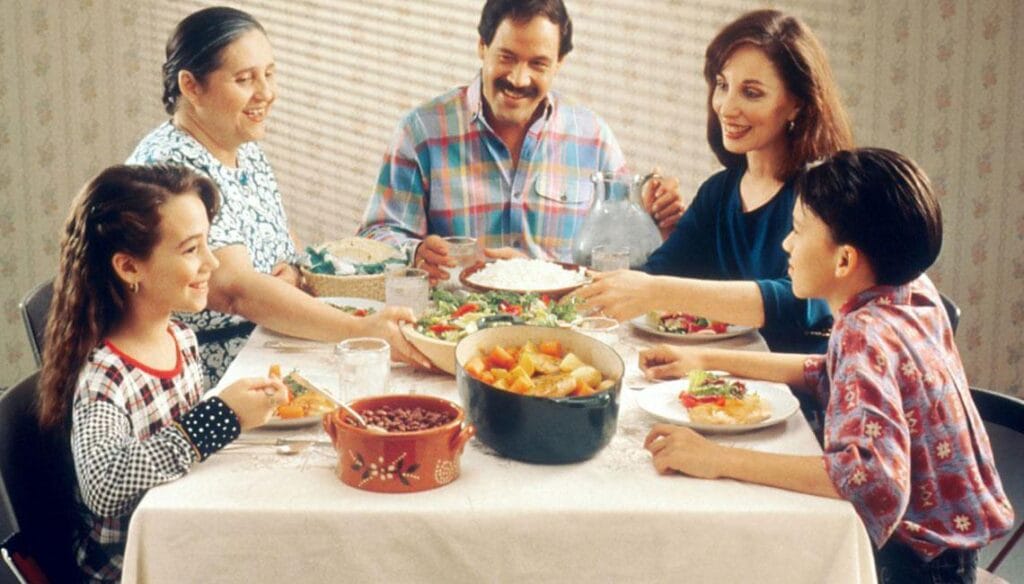
The simple act of grocery shopping can feel like a complex translation. You walk into a store, and it’s not just about finding food; it’s about finding home. For many of us who have immigrated, the foods we grew up with are more than just ingredients—they are memories, celebrations, and connections to our families and culture. They are the flavor of belonging.
When that connection is severed, a quiet kind of grief can set in. Imagine wanting to make a favorite soup that comforted you as a child, but you can’t find the right spices, the correct cut of meat, or even the vegetables you need. It’s a small frustration that builds over time, a steady drizzle that erodes your sense of normalcy. This constant search for familiar sustenance, or the forced substitution with «similar» items, isn’t just an inconvenience; it’s a daily reminder of being an outsider.
This is where unconscious bias seeps in. It’s in the way grocery stores are stocked, catering to a majority palate, and in the subtle ways we feel judged for our food choices or cooking methods. Perhaps a child is teased at school for their lunch, or a potluck dish is met with polite, but distant, curiosity. These small moments can lead to a quiet shame, making us feel like we have to hide a part of ourselves.
This constant emotional labor—the effort to adapt, to explain, to find what is missing—is a heavy, invisible weight. We often endure it, telling ourselves it’s just part of the process. We get used to the steady pace, moving forward day after day, but we don’t realize how much it’s impacting our well-being until it manifests as anxiety, sadness, or a feeling of disconnect.
It’s easy to think of these issues as minor, but they are symptoms of a larger struggle. Just as we wouldn’t ignore a persistent cough, we shouldn’t dismiss the steady erosion of our mental peace. Finding a professional who understands this—who sees the hidden meanings in your grocery list and the weight of these daily struggles—is not a sign of weakness. It’s a vital step in caring for yourself, normalizing the process, and ensuring that the journey doesn’t cost you your peace of mind.